Are we taught to be villagers?
Growing up in a living room household as a Filipino-American
Did you grow up in a living room or bedroom household?
This may be the Child Studies degree in me, but this has been one of my favorite questions to get to know someone. Not only does it provide insight into family dynamics, but it helps understand behavior.
I grew up in a living room household, which could be reflective of my collective culture, being Filipino-American. I understand that all households are different, but I never pinpointed the differences between bedroom versus living room households. This could seemingly stem from individual versus collective backgrounds and cultures.
Growing up in a living room household
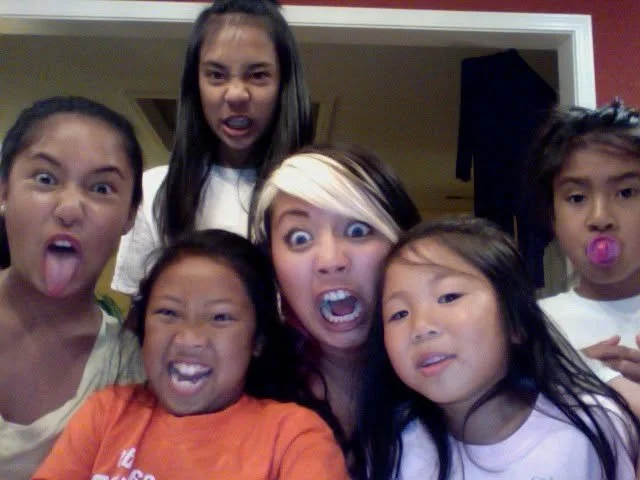
kaels and her cousins on a random weekday in 2011
Growing up in a multigenerational household with different family members, everything was a shared activity, whether it was doing homework, gathering around the TV, playing outside, or dancing, we did everything together.
We were the “host house” where all family members would convene; my cousins, aunties, and uncles were at the house all the time. Whether we had individual privacy is up for debate and a different discussion for a different time. That being said, no one stayed in their bedroom or hung out individually. Everyone presided in a common space, either in the living room, family room, kitchen, or backyard. There was no escape from other family members.
On top of that, there were (and are) always family events to attend. It was unlikely that we would go two weeks without seeing each other. Though I did move across the country, I am well-aware that this still holds true and that family events have not stopped.
I was conditioned to be a present and active family member. It was instilled in me that family was and is the main priority, that family is above all else. I would always prioritize family because that’s what I was taught growing up; I love my family and they are people who turned into my friends.
How this bleeds into my adult life
As an adult, I find myself exhibiting a lot of collective characteristics and values: I’m still a living room person and I still enjoy other people’s company. At the end of the day, my Filipino values translate to collective values.
I appreciate my family for showing me what a collective culture looks like. While I appreciate the collective values, I think it’s also important to acknowledge the toxicity that may surround these ideals. I don’t think it’s fair to say that someone isn’t an active family member because they miss one family event. I don’t think it’s fair to isolate family members solely because they missed multiple family events - there’s other reasons to isolate family members if we’re being completely honest.
As I’m building my life, I think about how important community is. In order to have a community and to have a village, we have to be villagers - I make sure I show up, no matter what.
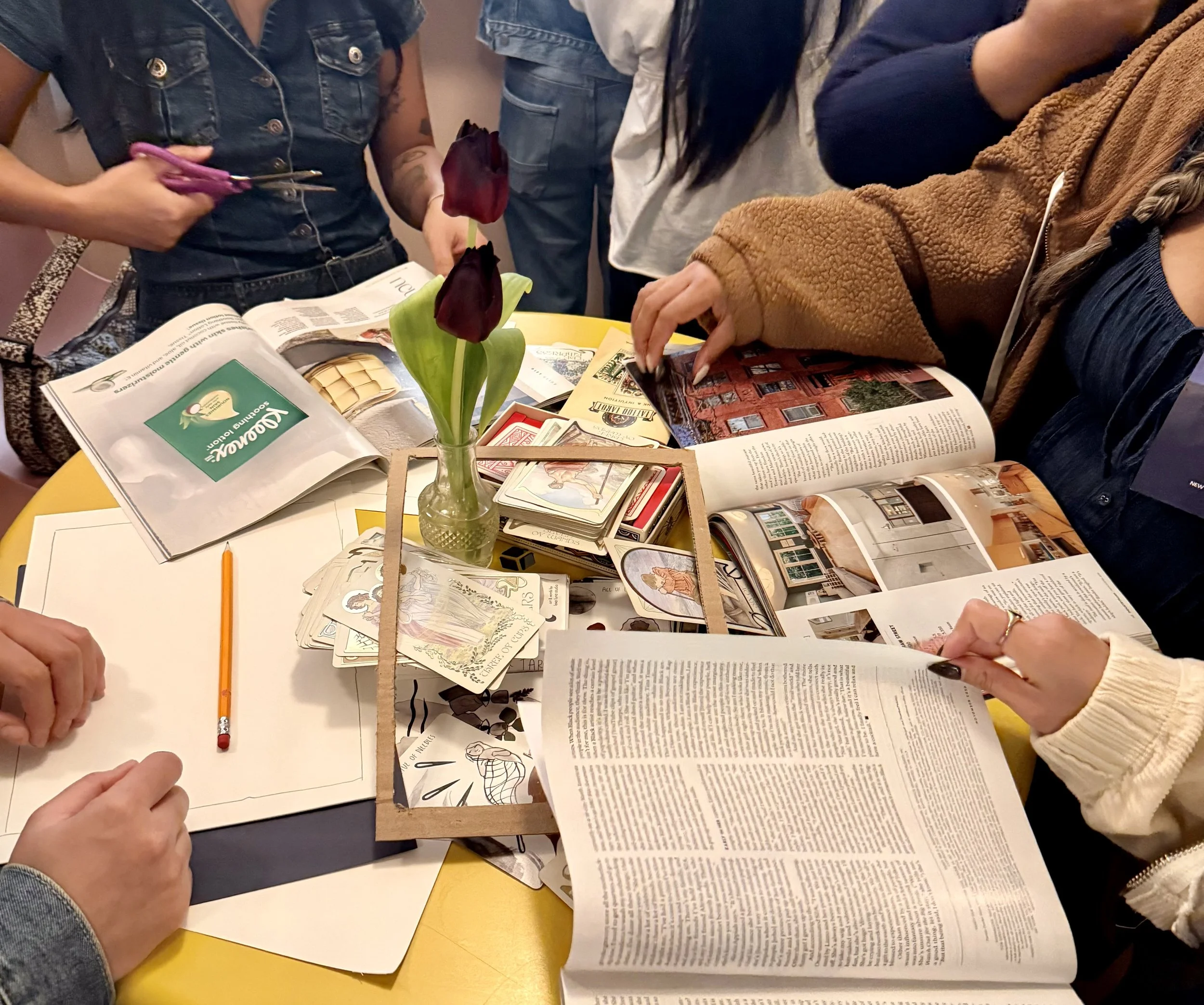
ganda girls event
It all boils down to my own culture and the Filipino value of family. Though I did need to move and be separate from my family to feel as if I could live my full potential, I still hold all of the values that I’ve grown up with. I still value family, I still value my Filipino heritage, and it all boils down to valuing community and upholding a collective culture. These values cannot escape me even if they tried. Whether it’s hospitality, making sure everyone is cared for, or just being an active member in my community, I will continue to hold these values close to heart.
I was taught how to be a villager, not through words, but through actions. I’ve learned the importance of community and what it means to have a support system. I take pride in my culture and am proud that I understand what it looks like to have a supportive community.
mahals,
kaels
too bad ain’t me <3
(mahals: our abbreviation for “mahal kita” translating to “i love you” in Tagalog)